How Psyllium Husk is Produced: From Farm to Export (2026)
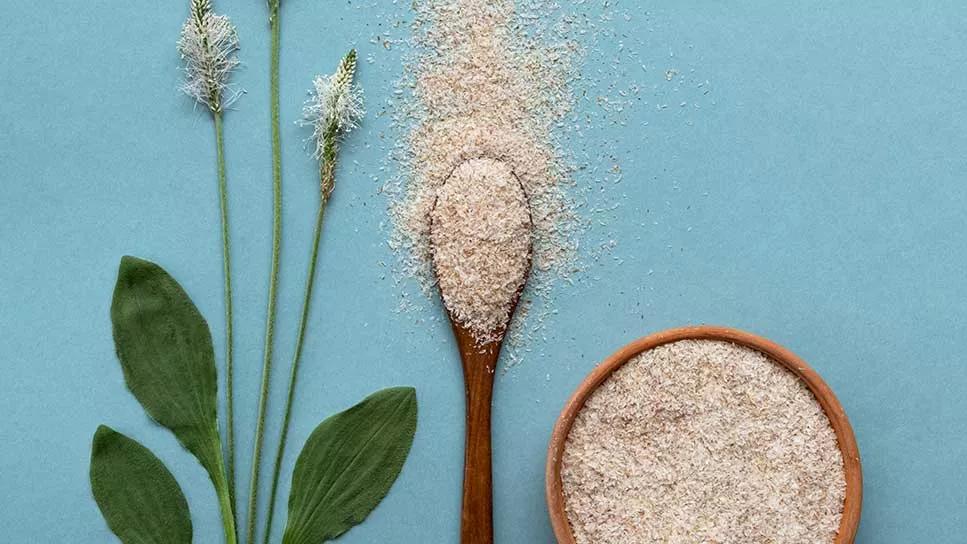
Psyllium Husk, commonly known as Isabgol, is one of India's most valuable agricultural export products. Used extensively in the pharmaceutical, food, nutraceutical, and dietary supplement industries, Psyllium Husk is exported to more than 100 countries due to its high soluble fiber content and exceptional quality.
India is the world's largest producer and exporter of Psyllium Husk, with most cultivation taking place in Gujarat and Rajasthan. Every export-quality batch goes through a carefully managed process—from farming and harvesting to cleaning, processing, quality inspection, packaging, and international shipping.
In this guide, we'll explore how Psyllium Husk is produced and why Indian suppliers are trusted by buyers across the globe.
🌾 Step 1: Cultivation – Where the Journey Begins
The production of Psyllium Husk starts with cultivating Plantago ovata, the plant from which Psyllium is obtained.
India provides ideal growing conditions because of its:
- Dry climate
- Well-drained sandy soil
- Moderate winter temperatures
- Experienced farming communities
The major cultivation regions include Unjha, Sidhpur, Patan, Banaskantha (Gujarat) and several districts of Rajasthan.
Farmers prepare the fields carefully before sowing high-quality seeds. Proper irrigation and crop management ensure healthy plant growth and higher-quality seeds.
🌱 Step 2: Crop Growth and Field Management
After sowing, the crop requires regular monitoring to maintain healthy growth.
Farmers focus on:
- Weed control
- Balanced irrigation
- Disease prevention
- Soil nutrition
- Crop protection
Under suitable weather conditions, the crop matures in approximately 110–130 days.
Proper field management directly influences the purity, color, and quality of the final Psyllium Husk.
🌾 Step 3: Harvesting the Crop
Once the crop reaches maturity, harvesting begins.
Timing is extremely important because overripe crops may result in seed loss.
Harvesting generally involves:
- Cutting mature plants
- Drying them naturally
- Collecting seed spikes
- Separating seeds from the dried plants
After harvesting, the seeds are transported to processing facilities for further cleaning and grading.
🧹 Step 4: Cleaning and Seed Processing
Raw Psyllium seeds naturally contain dust, stones, immature seeds, and other impurities.
Before processing, advanced cleaning equipment removes unwanted materials through multiple stages.
The cleaning process typically includes:
- Dust removal
- Stone separation
- Air cleaning
- Gravity separation
- Size grading
Only carefully cleaned seeds move to the next stage of production, ensuring high-quality raw material for processing.
⚙️ Step 5: Husk Separation Process
This is the most important stage in Psyllium Husk production.
Specialized milling equipment gently separates the outer husk from the Psyllium seed without damaging its natural fiber content.
Depending on customer requirements, the husk may then be processed into different grades and mesh sizes suitable for:
- Pharmaceutical applications
- Nutraceutical products
- Health supplements
- Functional foods
- Food processing industries
Precision during this stage helps maintain purity, color, and consistency.
🔍 Step 6: Quality Inspection
Before the product is packed, every batch undergoes strict quality checks to ensure it meets export standards.
Typical quality parameters include:
- Purity
- Moisture Content
- Swelling Index
- Mesh Size
- Color
- Foreign Matter
- Microbiological Safety
Only products that meet the required specifications proceed to packaging.
Did You Know?
India supplies more than 80% of the world's Psyllium Husk exports, making it the preferred sourcing destination for international buyers looking for premium-quality natural fiber ingredients.
📦 Step 7: Packaging for Global Markets
After passing quality inspection, Psyllium Husk is packed using food-grade packaging materials to preserve freshness, purity, and product quality during international transportation.
Common packaging options include:
- 25 kg PP Bags
- Kraft Paper Bags
- HDPE Bags
- Jumbo Bags
- Customized Packaging
- Private Label Packaging
Every package is properly sealed, labeled, and prepared according to buyer requirements and destination country regulations.
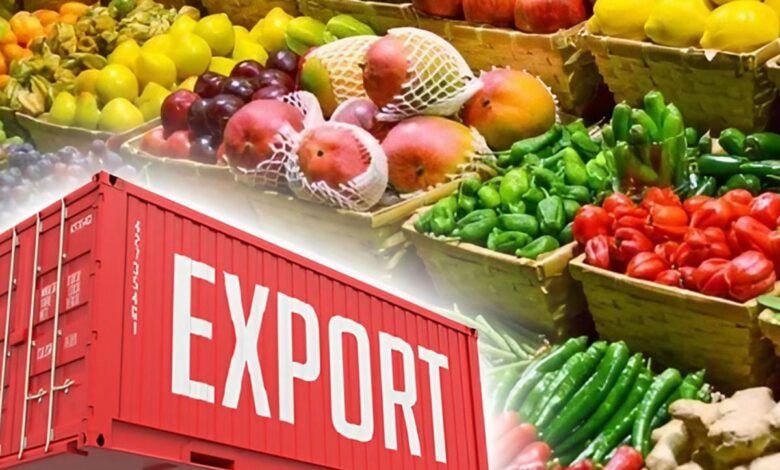
🚢 Step 8: Export and International Shipping
Once packaging is completed, the shipment is prepared for export.
The export process generally includes:
- Final Quality Verification
- Export Documentation
- Container Loading
- Customs Clearance
- Port Handling
- Ocean or Air Freight
- Delivery to the Buyer's Destination
Professional exporters ensure every shipment complies with international trade requirements, helping buyers receive their orders safely and on time.
🌍 Why Indian Psyllium Husk is Preferred Worldwide
India has built a strong reputation as the world's leading Psyllium Husk supplier because of its excellent farming conditions, advanced processing facilities, and experienced export industry.
International buyers choose Indian Psyllium Husk because it offers:
- Premium Quality
- High Purity
- Excellent Swelling Capacity
- Competitive Pricing
- Reliable Supply
- Multiple Mesh Sizes
- Professional Export Support
These advantages have made India the preferred sourcing destination for food manufacturers, pharmaceutical companies, nutraceutical brands, wholesalers, and distributors across the world.
🤝 Why Choose JC International?
At JC International, we understand that international buyers expect more than just a product—they need a dependable export partner.
We work with trusted processing facilities and reliable suppliers to deliver premium-quality Psyllium Husk that meets international quality standards.
What We Offer
✔ Premium Quality Products
✔ Reliable Sourcing Network
✔ Strict Quality Inspection
✔ Competitive Pricing
✔ Bulk Supply Capability
✔ Professional Export Documentation
✔ Secure Packaging
✔ Timely Shipments
✔ Responsive Customer Support
Our goal is to build long-term business relationships by delivering consistent quality, transparent communication, and dependable export solutions.
📈 Final Thoughts
The journey of Psyllium Husk from Indian farms to international markets involves careful cultivation, scientific processing, strict quality inspection, secure packaging, and efficient logistics.
Every stage plays an important role in delivering a product that meets global quality standards.
Whether you are a wholesaler, importer, food manufacturer, or private label brand, sourcing Psyllium Husk from a trusted Indian export partner helps ensure consistent quality and a reliable supply chain.
If you are looking for a dependable Psyllium Husk supplier from India, JC International is committed to providing premium agricultural products backed by professional export services and customer-focused support.
❓ Frequently Asked Questions (FAQs)
1. Where is Psyllium Husk mainly produced?
Psyllium Husk is mainly produced in India, especially in Gujarat and Rajasthan, which offer ideal climatic conditions for cultivation.
2. How long does the Psyllium crop take to grow?
Under normal conditions, the crop matures in approximately 110–130 days after sowing.
3. How is Psyllium Husk separated from the seed?
The outer husk is separated using specialized milling equipment that preserves the natural fiber and product quality.
4. What industries use Psyllium Husk?
Psyllium Husk is widely used in the pharmaceutical, nutraceutical, food processing, dietary supplement, and health & wellness industries.
5. Why is Indian Psyllium Husk considered the best?
India offers ideal growing conditions, advanced processing technology, experienced exporters, and consistent product quality, making it the world's leading supplier.