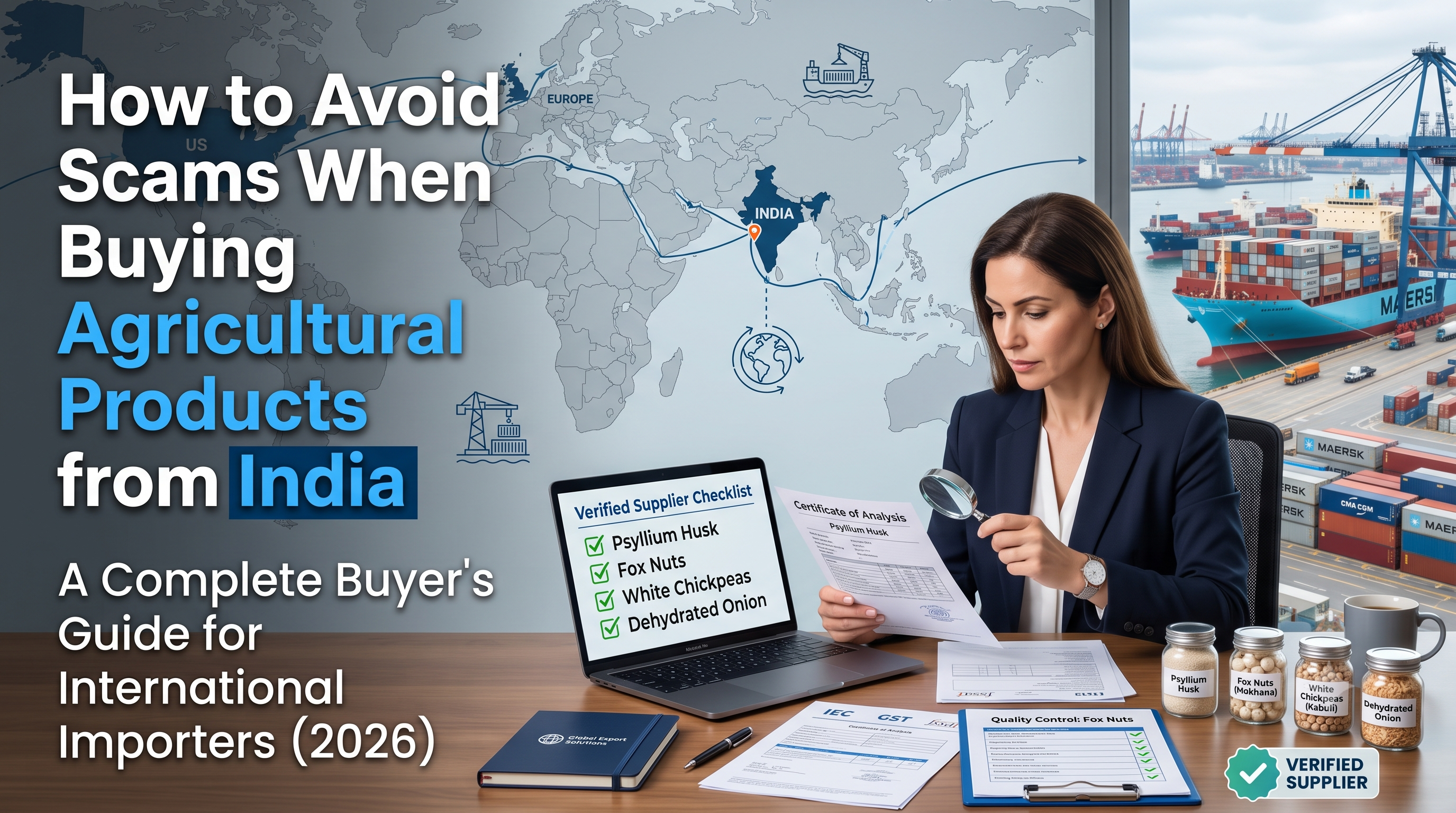
How to Choose the Right Indian Exporter for Agricultural Products: A Complete Buyer's Guide (2026)
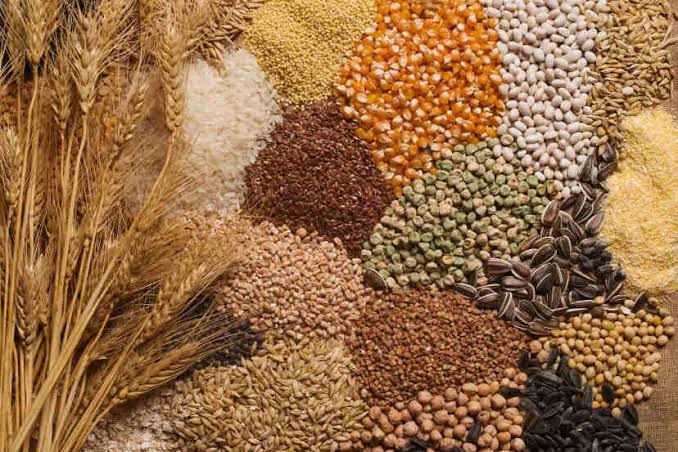
India has become one of the world's most trusted suppliers of agricultural products, serving buyers across North America, Europe, the Middle East, Asia, and Africa. From Psyllium Husk and Sesame Seeds to Fox Nuts (Makhana), White Chickpeas (Kabuli Chana), Dehydrated Onion, spices, grains, and pulses, Indian exporters are known for offering high-quality products at competitive prices.
However, finding the right exporter is just as important as choosing the right product. A reliable export partner can help ensure consistent quality, proper documentation, timely shipments, and a smooth importing experience. On the other hand, selecting the wrong supplier may result in delays, inconsistent product quality, or unexpected costs.
This guide explains the most important factors international buyers should consider when choosing an Indian exporter for agricultural products in 2026.
Why Choosing the Right Exporter Matters
Importing agricultural products is a long-term business relationship rather than a one-time transaction. A professional exporter understands international trade requirements, follows quality standards, communicates clearly, and delivers products that meet buyer expectations.
Whether you are a wholesaler, distributor, retailer, food manufacturer, or importer, choosing the right exporter can reduce business risks and improve supply chain reliability.
1. Verify the Exporter's Experience
Experience plays an important role in international trade. An exporter with industry knowledge is more likely to understand buyer requirements, shipping procedures, documentation, and quality expectations.
Before placing an order, consider asking questions such as:
- Which countries do you currently export to?
- What agricultural products do you specialize in?
- Can you provide product specifications?
- Do you offer samples before bulk orders?
A professional exporter should be able to answer these questions confidently and provide clear information.
2. Evaluate Product Quality
Quality is one of the biggest factors that influence long-term business relationships. Buyers should ensure that the exporter follows proper quality control procedures throughout sourcing, processing, packaging, and dispatch.
Important quality factors include:
- Product purity
- Moisture control
- Uniform grading
- Proper cleaning
- Hygienic processing
- Secure packaging
- Consistent product specifications
Reliable exporters work with trusted suppliers and perform quality inspections before shipment to maintain consistency.
3. Check Certifications and Compliance
Agricultural exports often require compliance with international standards and destination-country regulations. While the exact requirements vary by product and market, working with an exporter familiar with export documentation helps reduce delays.
Common documents and certifications may include:
- Import Export Code (IEC)
- APEDA Registration (where applicable)
- FSSAI Registration
- Certificate of Origin
- Phytosanitary Certificate (when required)
- Commercial Invoice
- Packing List
- Bill of Lading
The right exporter should guide buyers through the documentation required for their destination country.
4. Review the Product Range
Many international buyers prefer working with exporters who can supply multiple agricultural products under one roof. This simplifies sourcing, reduces coordination efforts, and can help optimize shipping costs.
Products commonly exported from India include:
- Psyllium Husk
- Fox Nuts (Makhana)
- White Chickpeas (Kabuli Chana)
- Dehydrated Onion
- Sesame Seeds
- Cumin Seeds
- Coriander Seeds
- Fennel Seeds
- Turmeric
- Red Chilli
- Groundnuts
- Castor Oil
- Rice
- Wheat
- Pulses
Choosing an exporter with a diverse product portfolio can make future sourcing more convenient.
5. Ask for Product Samples
Before placing a large order, requesting samples is a practical way to evaluate product quality. A sample allows buyers to assess important factors such as appearance, aroma, texture, packaging, and overall suitability for their market.
Sample evaluation helps build confidence before committing to bulk purchases and reduces the risk of quality-related issues.
6. Understand Packaging and Shipping Capabilities
Proper packaging protects agricultural products during international transportation. Buyers should confirm that the exporter uses packaging suitable for long-distance shipping and complies with destination-country requirements.
Discuss details such as:
- Packaging materials
- Bag sizes
- Private labeling options
- Container loading
- Shipping methods
- Delivery timelines
Efficient logistics and secure packaging contribute to maintaining product quality throughout the supply chain.
7. Compare More Than Just Price
While competitive pricing is important, selecting the lowest-priced supplier is not always the best decision. Buyers should consider the overall value offered by the exporter, including product quality, consistency, communication, documentation support, and reliability.
A dependable supplier who consistently meets agreed specifications can provide better long-term value than a supplier focused only on offering the lowest price.
8. Evaluate Communication and Customer Support
Professional communication is essential in international trade. Buyers should choose exporters who respond promptly, provide accurate quotations, and keep them informed throughout the order process.
Good communication includes:
- Quick responses to inquiries
- Clear product specifications
- Regular production updates
- Shipment tracking information
- Timely documentation
Transparent communication builds trust and helps avoid misunderstandings.
9. Look for Long-Term Partnership Potential
The best exporters focus on building long-term relationships rather than simply completing individual transactions. A reliable supplier works to understand buyer requirements, maintain consistent quality, and provide dependable service over time.
Long-term partnerships often lead to better planning, smoother operations, and greater business growth for both parties.
Why Choose JC International?
At JCInternational, we are committed to helping global buyers source premium agricultural products from India with confidence.
Our focus is on delivering quality products, transparent communication, and professional export support from inquiry to shipment.
We offer:
- Premium agricultural products sourced from trusted suppliers
- Strict quality inspection before dispatch
- Competitive pricing
- Professional export documentation support
- Secure packaging for international shipments
- Timely order processing
- Reliable customer communication
- Long-term business relationships built on trust
Whether you are importing Psyllium Husk, Fox Nuts, White Chickpeas, Dehydrated Onion, Sesame Seeds, or other agricultural products, our goal is to provide a smooth and dependable sourcing experience.
Final Thoughts
Selecting the right Indian exporter is one of the most important decisions an international buyer can make. Beyond pricing, buyers should evaluate quality standards, certifications, documentation, communication, packaging, and long-term reliability.
India continues to be one of the world's leading suppliers of agricultural products, and partnering with a trusted exporter can help businesses receive consistent quality, reliable shipments, and professional support.
If you are looking for a dependable agricultural export partner from India, JC International is ready to assist you with quality products and export solutions tailored to your business needs.
Frequently Asked Questions (FAQs)
1. What should I look for in an Indian agricultural exporter?
Check the exporter's experience, product quality, certifications, documentation support, communication, and ability to deliver products consistently.
2. Can I request product samples before placing a bulk order?
Yes. Most professional exporters provide samples so buyers can evaluate product quality before confirming large orders.
3. Why is export documentation important?
Proper documentation helps ensure smooth customs clearance, compliance with import regulations, and timely shipment delivery.
4. Which agricultural products are commonly exported from India?
India exports products such as Psyllium Husk, Sesame Seeds, Fox Nuts, White Chickpeas, Dehydrated Onion, spices, rice, pulses, and many other agricultural commodities.
5. Why choose JC International?
JC International focuses on quality, reliable sourcing, professional communication, competitive pricing, and efficient export solutions for international buyers.